
My 2024 Weight Loss Transformation: From Cutting Fat to Building Strength
Disclaimer: This blog shares my personal weight loss journey and is intended for informational purposes only. While I am a NASM Certified Personal Trainer, I am not a medical doctor, dietitian, or licensed healthcare provider. The strategies and results described here are unique to my experience and may not work the same for everyone. Always consult with a qualified healthcare professional before making changes to your diet, exercise routine, or lifestyle.

January 11, 2024 170lbs
BMI 26.6

May 12th, 2024 160lbs
BMI 25.1

August 4th, 2024 143lbs
BMI 22.4

July 17th, 2025 144lbs
BMI 22.6
When I look back at the past year, I’m proud of the journey I’ve been on—a journey that has completely changed my body, my health, and my mindset. The amount of fat that I lost in my mid-section astounds me whenever I look back to these old photos. My belly used to fall over the top of my underwear but nowadays my stomach is flat. Best of all, I was able to accomplish this while losing minimal muscle mass.
The Turning Point
In 2024, I made the decision to commit fully to my health. At the time, I was carrying more body fat than I wanted, and my energy levels weren’t where they should have been. I started researching different approaches to weight loss, and after experimenting, I landed on a ketogenic diet combined with intermittent fasting. That combination gave me the discipline and structure I needed to see real results.
What Being Overweight Really Means
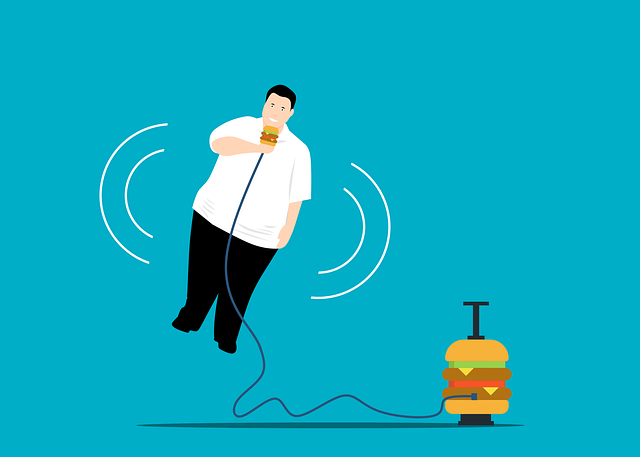
When you’re overweight (or obese), your body carries more fat than it’s designed to handle. While a few extra pounds may not feel alarming at first, over time, the risks grow. Excess weight increases the strain on nearly every system in your body:
Cardiovascular Health – Extra fat raises blood pressure, cholesterol, and inflammation, putting you at higher risk of heart disease and stroke.
Metabolic Issues – Being overweight is strongly linked to insulin resistance and type 2 diabetes, as your body struggles to regulate blood sugar effectively.
Joint & Mobility Problems – Carrying extra pounds places more stress on joints, especially the knees, hips, and back, often leading to chronic pain or arthritis.
Sleep & Energy – Many overweight individuals develop sleep apnea, poor sleep quality, and constant fatigue.
Mental Health – The emotional weight of being overweight is real. Low self-esteem, anxiety, and depression are often tied to body image and health concerns.
By extension, when someone progresses from overweight into obesity (BMI 30+) or severe obesity (BMI 35–40+), these risks compound significantly, and life expectancy is often shortened.
For me, realizing these risks was the turning point—I didn’t want to just lose weight to look better; I wanted to protect my health and longevity.
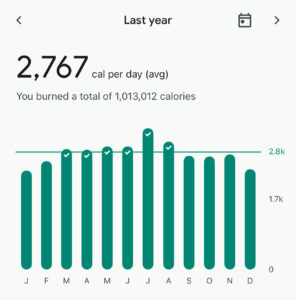
One of the biggest drivers of my transformation was walking—lots of walking. In fact, I averaged over 12,000 steps per day for most of 2024, with some incredible highs:
Walking My Way Lean
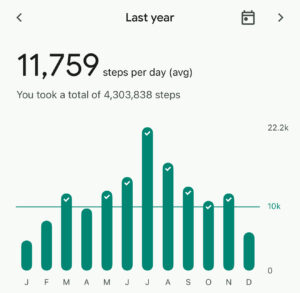
- Over 50,000 steps (23 miles) in a single day
- A back-to-back streak of 42,000 and 51,000 steps
- Multiple three-day stretches averaging 31,000 steps daily
Those long walks weren’t just about burning calories. They cleared my mind, improved my endurance, and kept me consistent. Walking became the foundation of my fitness, and it paired perfectly with my nutrition plan.
Fueling Fat Loss With Keto & Fasting
With my diet, I stripped things back to basics:


- High-protein meals built around steak, chicken, eggs, and cheese
- Healthy fats like butter and avocado
- Limited carbs, mostly from mandarins and vegetables
- A 4–8 hour eating window to keep my insulin levels low and fat-burning high
This approach helped me drop significant body fat. At one point, I went from around 23% body fat with a high visceral fat level down to 13% body fat and a much healthier visceral fat reading. My psoriasis, which had bothered me for years, even disappeared—an incredible side benefit I hadn’t expected.
The Results
With my diet, I stripped things back to basics:
- Lost about 30 pounds
- Dropped significant amount body fat
- Cut my visceral fat level (fat in mid-section)
- Improved my focus, energy, and overall well-being
But the best part? I wasn’t just leaner—I had built habits I could sustain for the long run.
Why (Keto) High Fat, Moderate Protein, and Very Low Carb Worked
1. Put My Body Body into Ketosis — Using Fat as Fuel
By drastically cutting carbohydrates (to about 5–10% of my daily intake) and increasing fats (around 55–60%) with moderate protein (roughly 30–35%), my body transitions from burning glucose to burning fat via ketones—known as ketosis. This switch promotes efficient fat burning and metabolic flexibility.
2. Enhances Satiety and Reduces Cravings
High-fat and moderate-protein meals help me feel full longer, reducing hunger pangs and emotional or impulsive eating. Stable blood sugar levels also diminish cravings and mood swings.
3. Improves Metabolic Health and Lipid Profiles
Low-carb, high-fat diets often lead to better blood sugar control, lower insulin spikes, improved triglyceride levels, and enhanced HDL (“good”) cholesterol. Even saturated fat intake that’s higher than usual doesn’t necessarily worsen LDL (“bad”) cholesterol depending on overall diet composition.
4. Suppresses Insulin and Reduces Fat Storage
Carbohydrate restriction sharply reduces insulin secretion, which in turn limits fat storage and nudges my body toward burning stored body fat.
5. Short-Term Weight Loss Benefits
While many diets can lead to fat loss, ketogenic and other very-low-carb protocols often deliver faster initial results thanks to glycogen (and water) depletion, appetite suppression, and metabolic shifts.