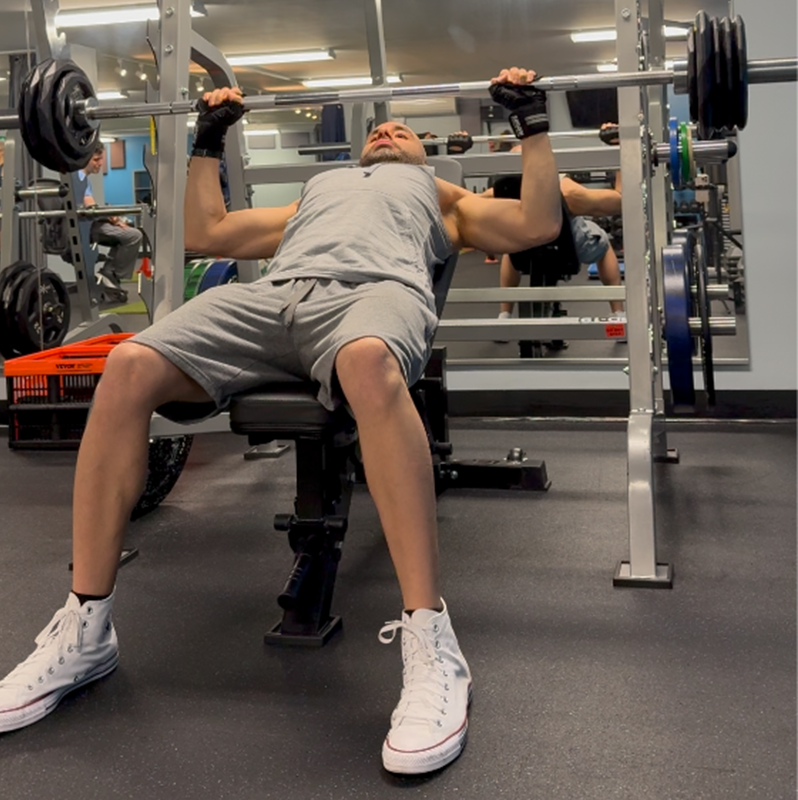
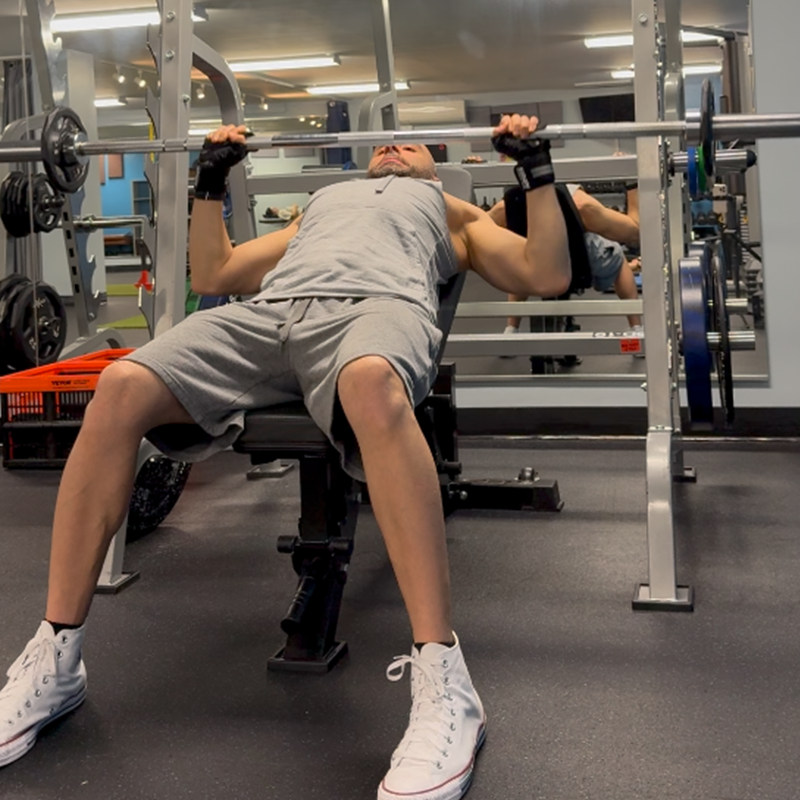
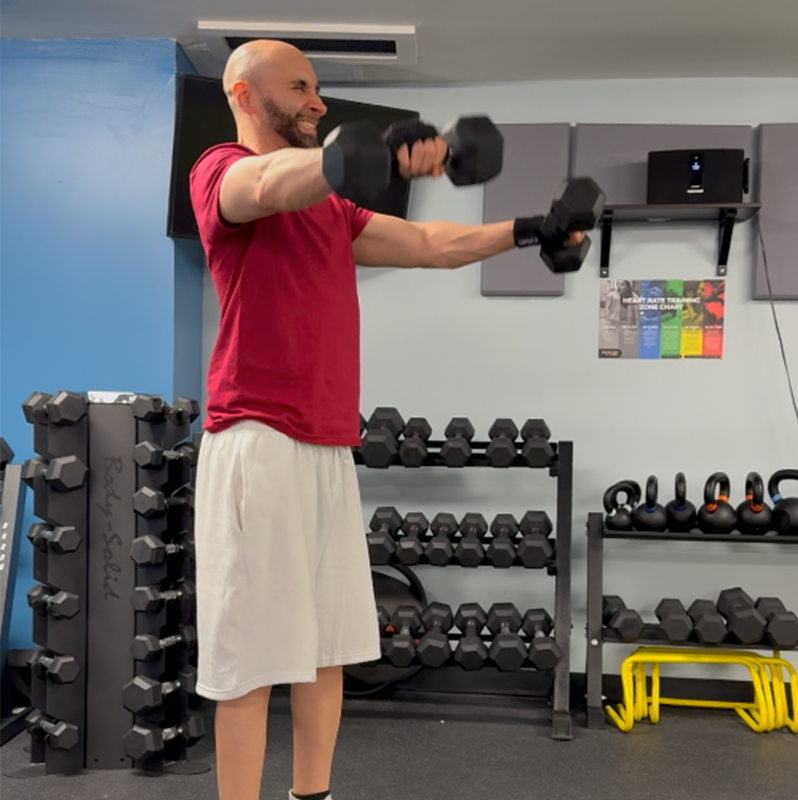
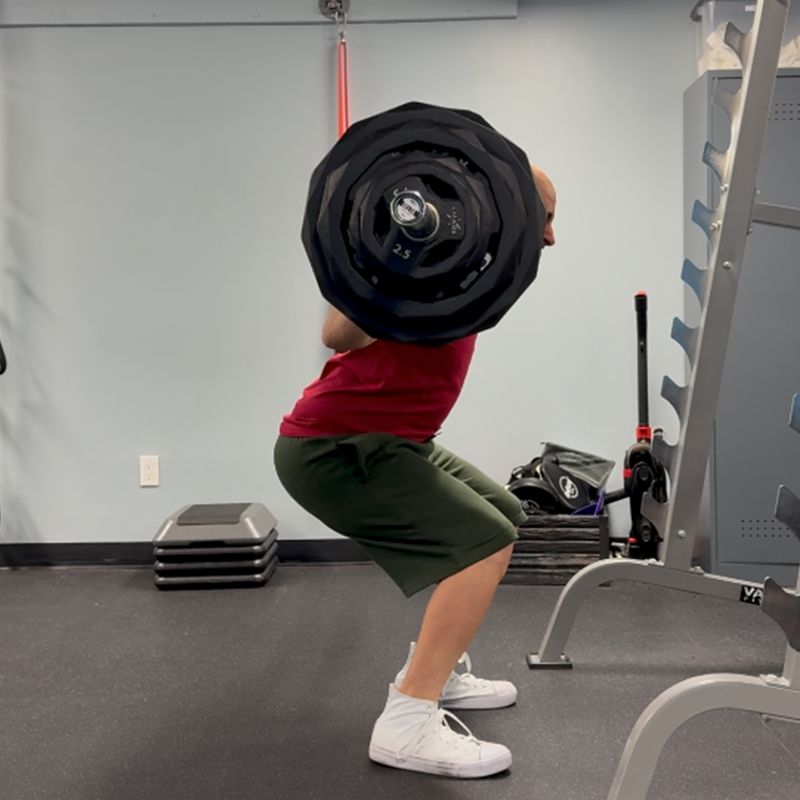
My personal exercise routine is built around one main goal: getting stronger while building a lean, muscular, athletic body.
I do not train just to burn calories. I do not train just to sweat. I train to build strength, improve my physique, challenge my body, and continue learning through my own experience in the gym.
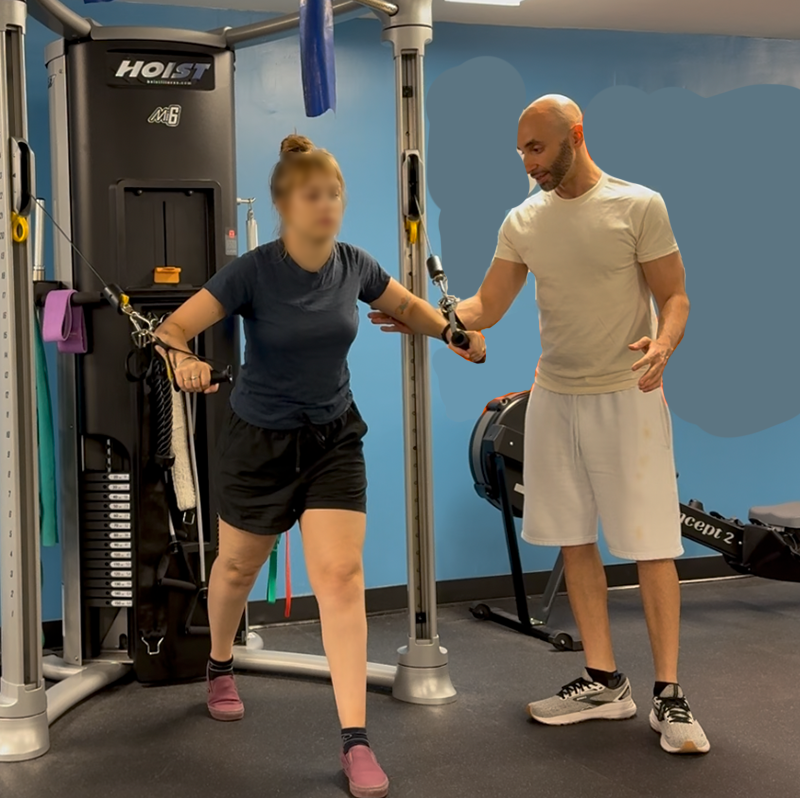
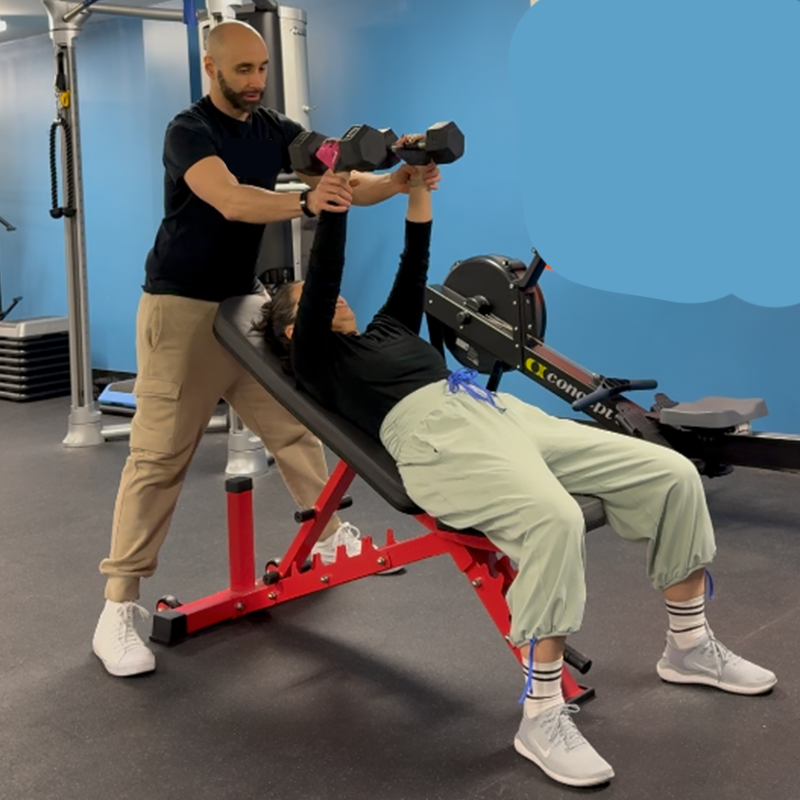
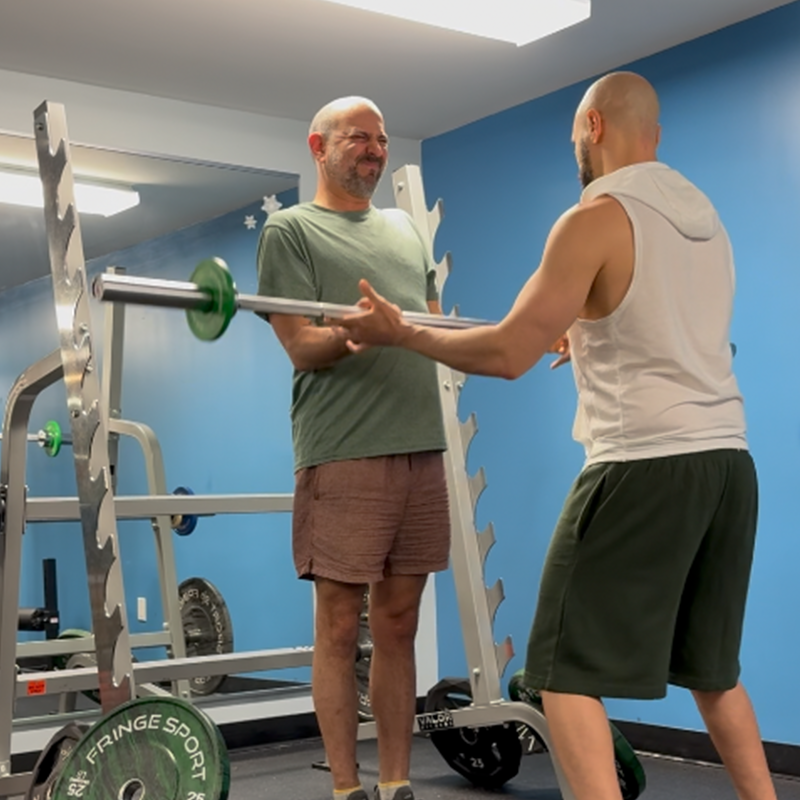
As a NASM Certified Personal Trainer, I coach clients based on their goals, fitness level, movement quality, and experience. But when it comes to my own training, I have developed a style that matches my personality, my goals, and the way my body responds best.
My training is intense, focused, and built around progression.
My Main Training Philosophy
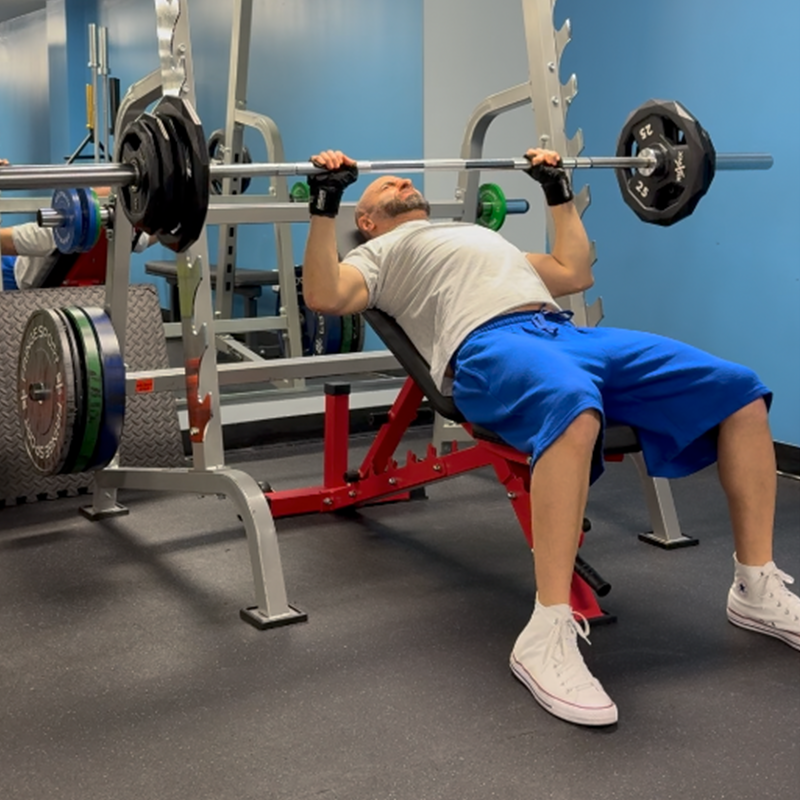
My personal routine is based on a combination of heavy compound movements, controlled form, drop sets, and high-effort training.
I like training hard.
I am not someone who wants to casually go through the motions in the gym. When I work out, I want every set to have a purpose. I want to challenge myself. I want to push my body while still keeping my technique under control.
The main idea behind my routine is simple:
Use big movements, train with intensity, control the weight, and progress over time.
I care about strength, but I also care about how the lift looks and feels. I want to lift heavier, but I do not want to throw weight around just for the sake of saying I lifted it. Good form, control, and effort all matter.
Heavy Compound Lifts Are the Foundation
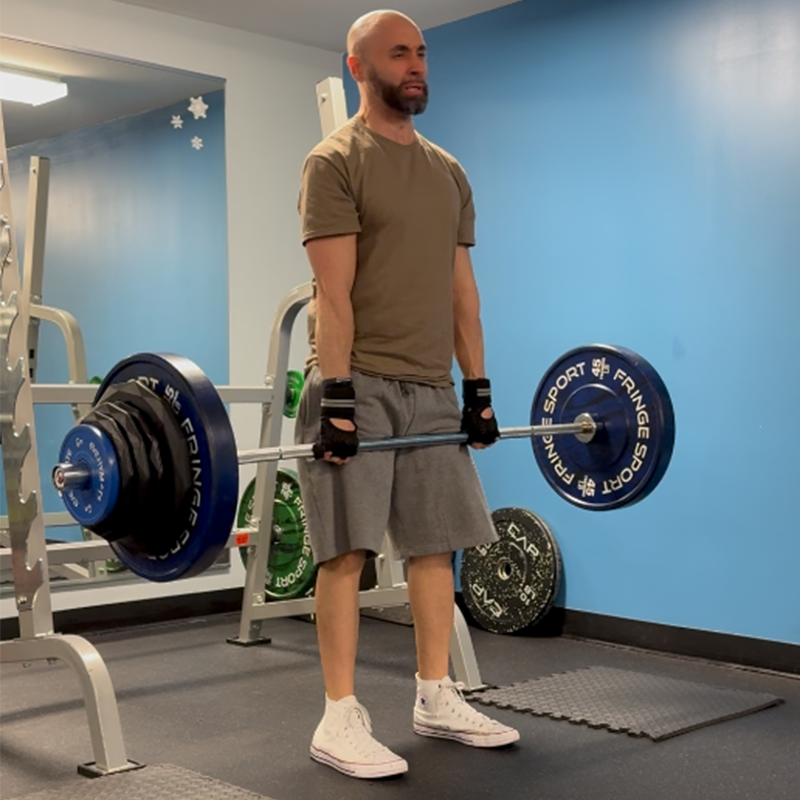
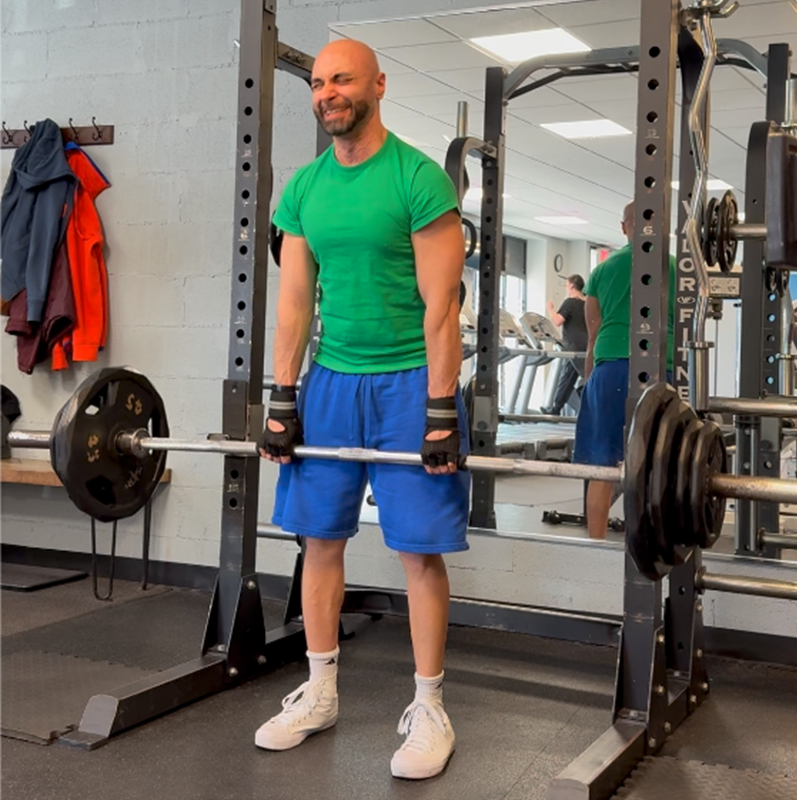
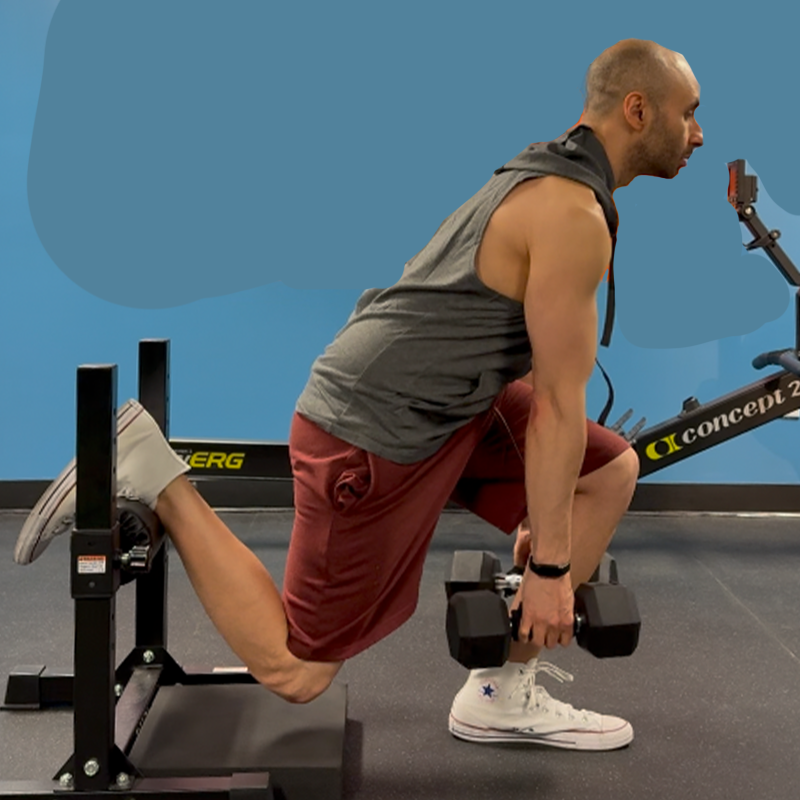
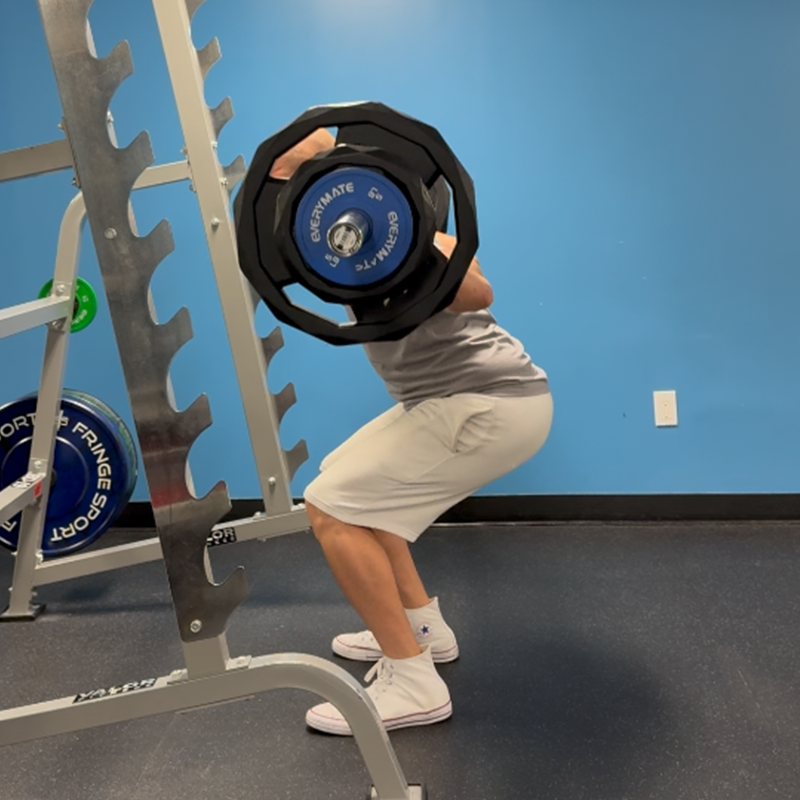
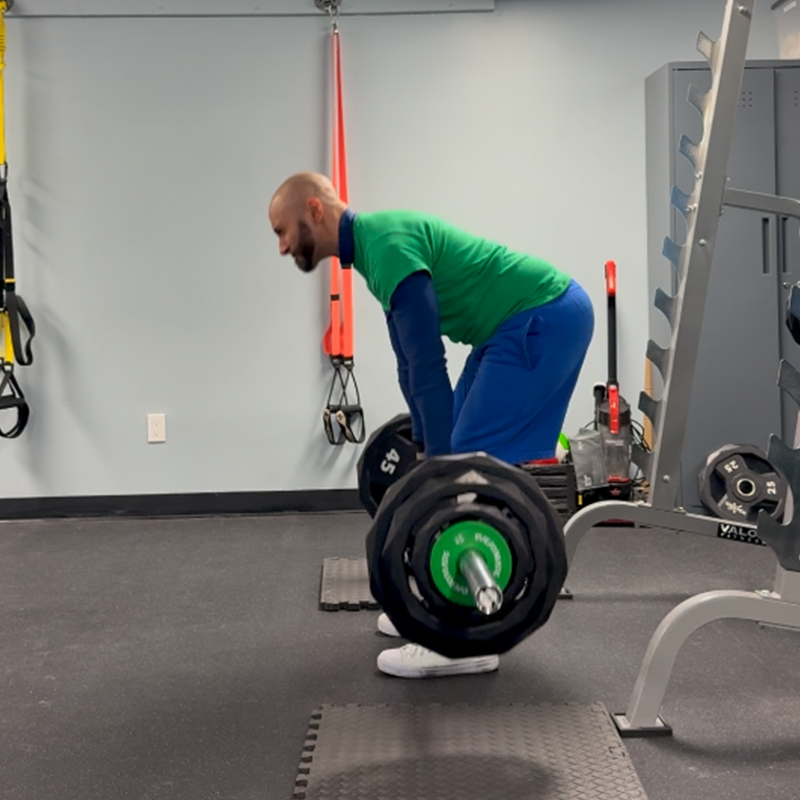
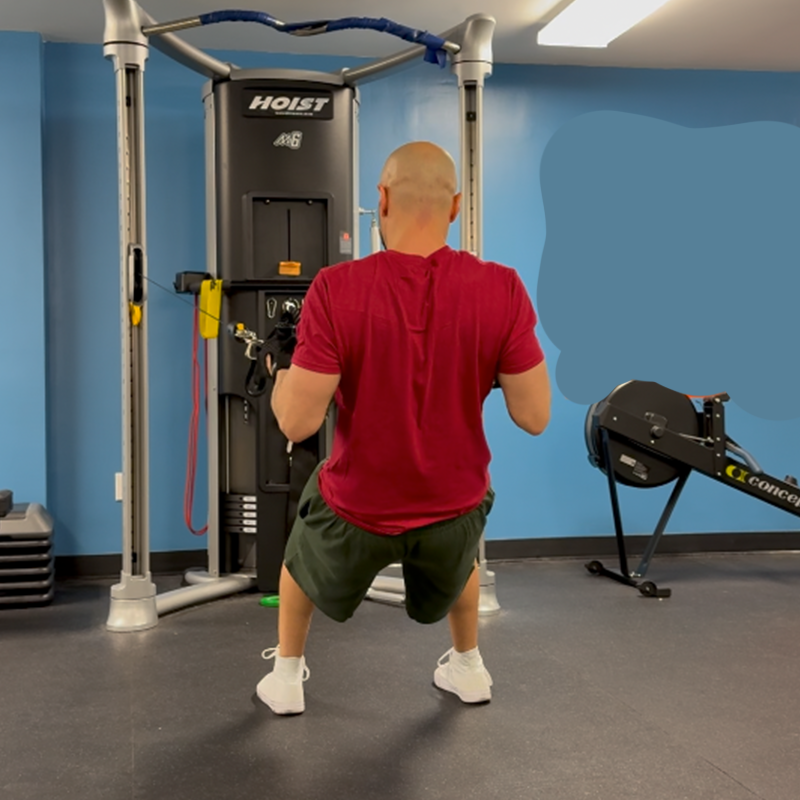
The foundation of my training comes from compound exercises.
These are the movements that give me the most value because they train multiple muscle groups at the same time and allow me to build real strength.
I like these exercises because they are measurable. I can track the weight, reps, and quality of the movement over time.
For me, progress is not just about getting a pump. Progress means I can look back and see that I am stronger than I was before.
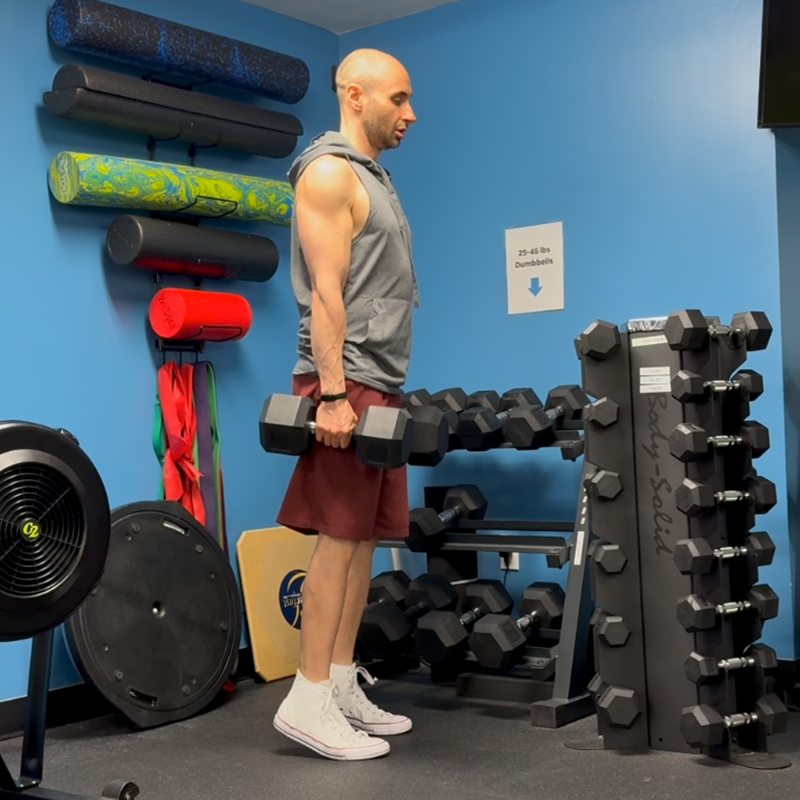
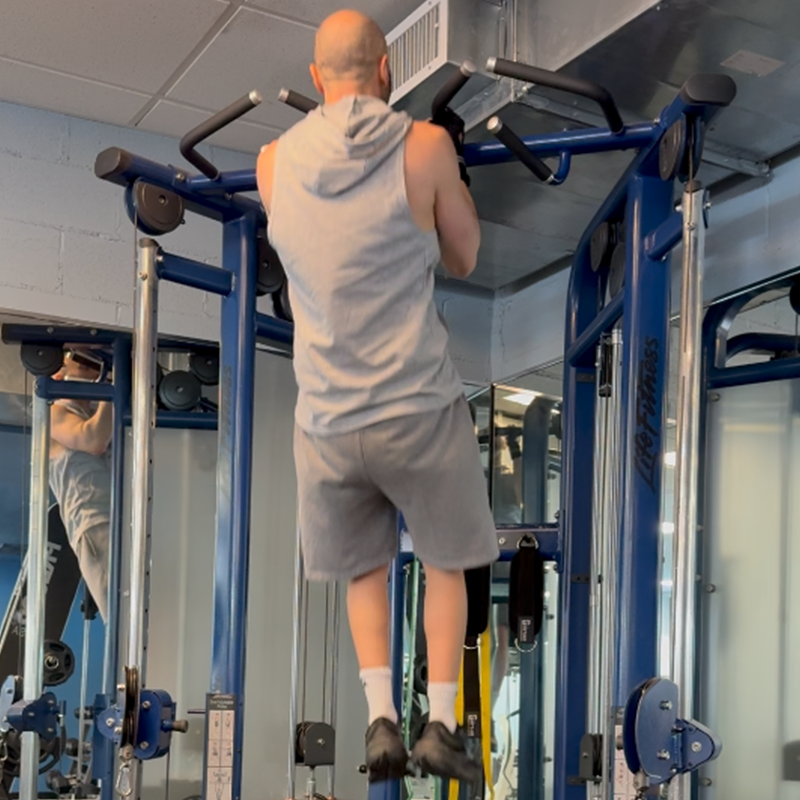
If I went from squatting 185 pounds to 200 pounds, that means something. If my deadlift improved, that means something. If I can do more chin-ups, press heavier weight, or control heavier dumbbells, that shows real progress.
I Train With High Intensity
One of the biggest parts of my routine is intensity.
I am heavily influenced by old-school high-intensity training ideas from people like Mike Mentzer and Dorian Yates. I like the idea of making sets count instead of doing endless volume with no real purpose.
That does not mean I copy anyone’s routine exactly. It means I take the principles that make sense to me and apply them to my own training.
I believe a hard, focused set taken close to failure can be extremely valuable. When I train, I am not just counting reps to finish the set. I am trying to get as much out of the set as possible.
I want the reps to be controlled.
I want the muscle to work.
I want the set to feel challenging.
I want to know I gave real effort.
That is where a lot of growth happens - not just physically, but mentally.
Drop Sets Are a Big Part of My Training
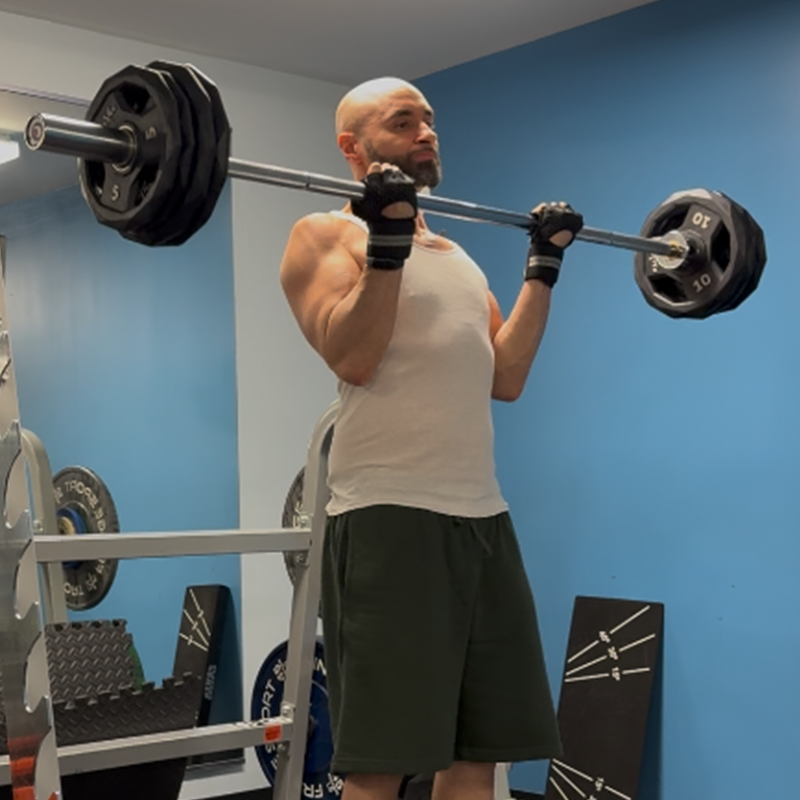
Drop sets are one of my favorite intensity techniques.
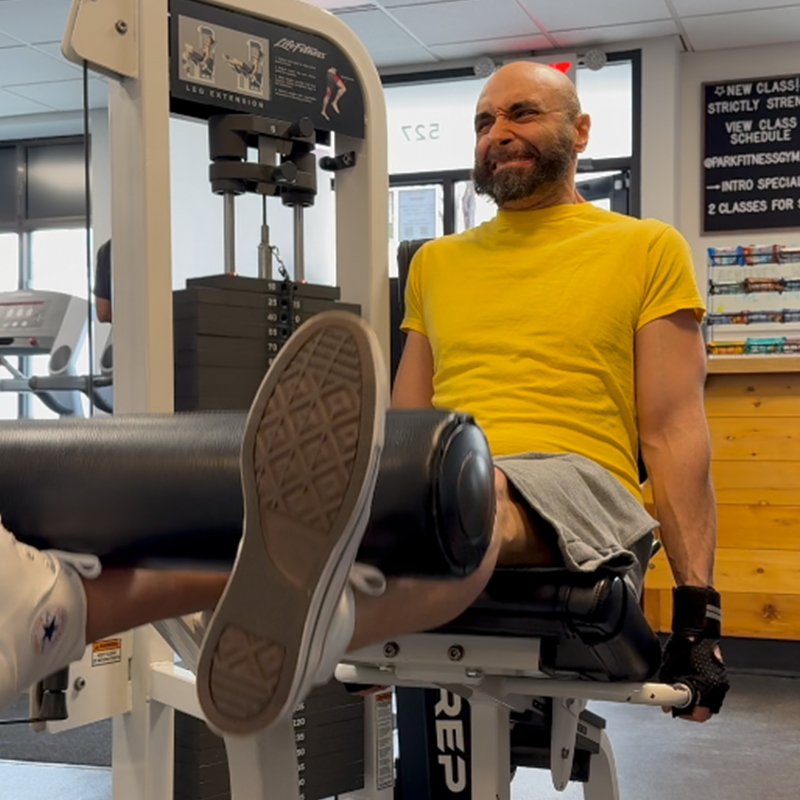
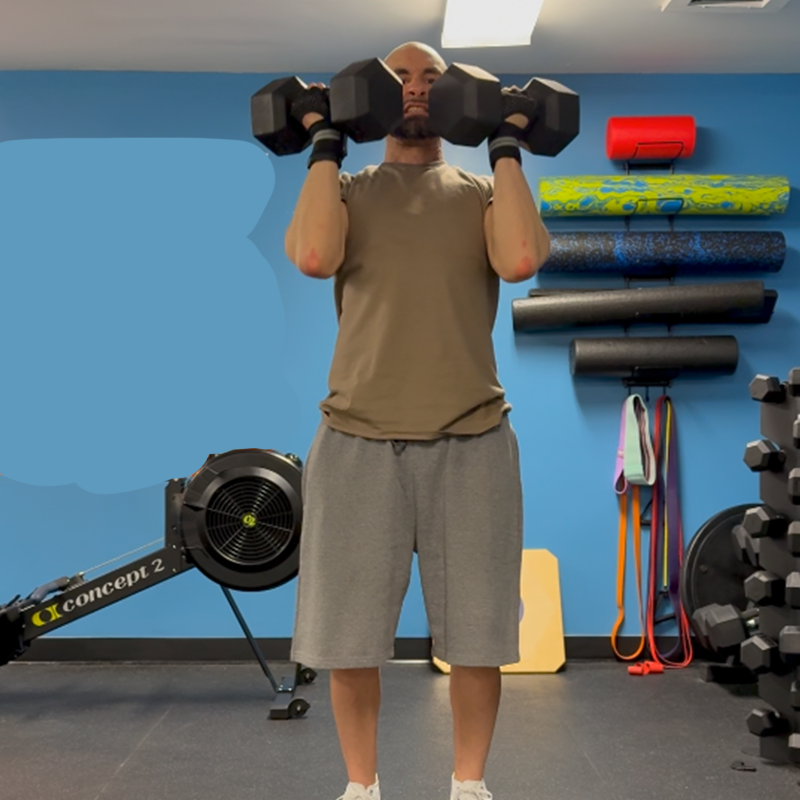
A drop set allows me to push beyond the point where I would normally have to stop. Once I reach fatigue with a heavier weight, I lower the weight and continue the set. This lets me keep tension on the muscle and push the muscle harder in a controlled way.
I like drop sets because they make the workout intense without needing to spend hours in the gym.
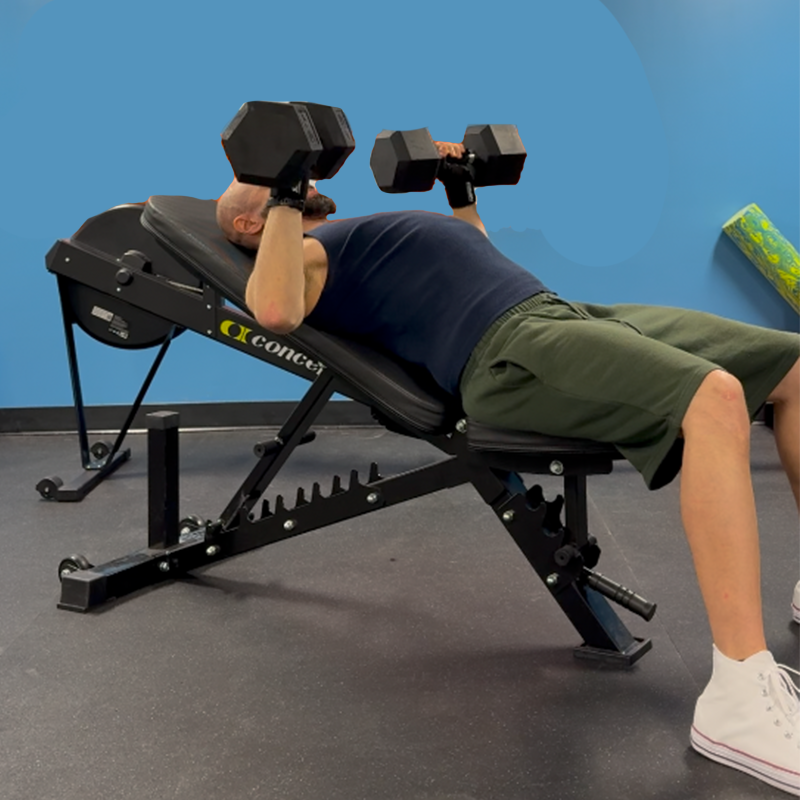
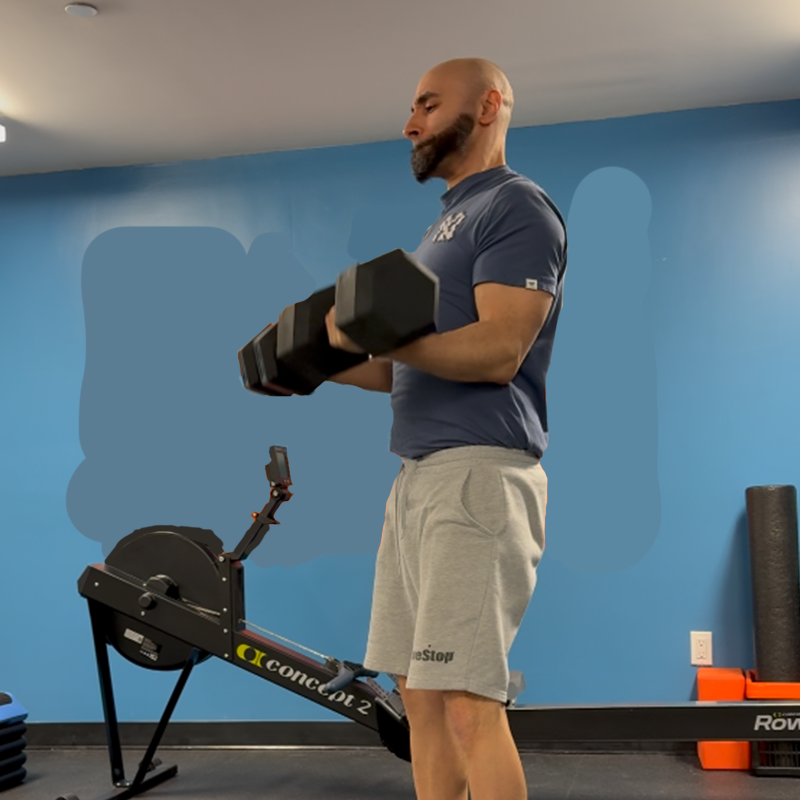
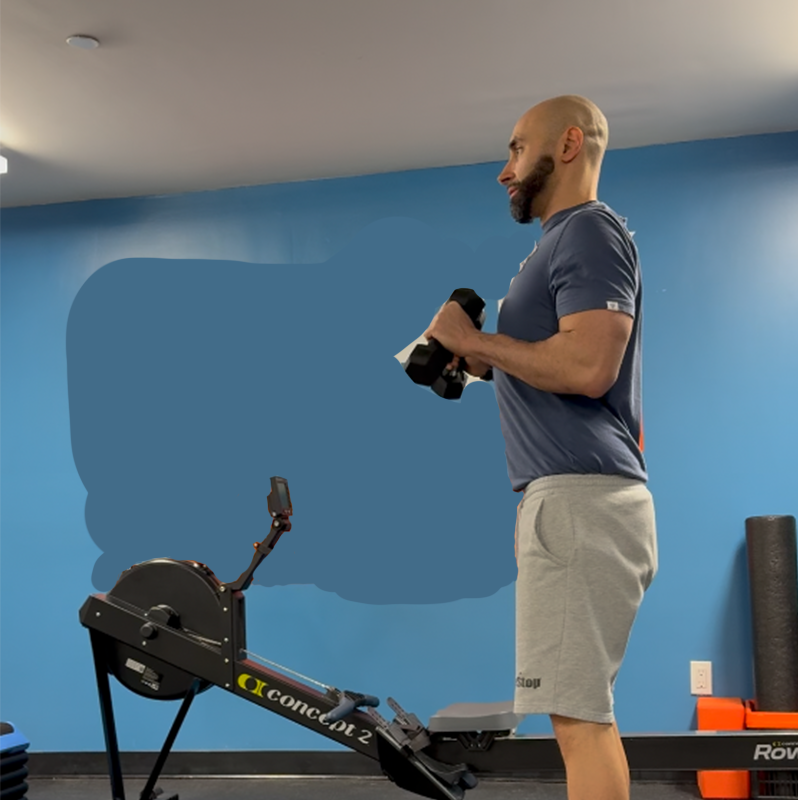
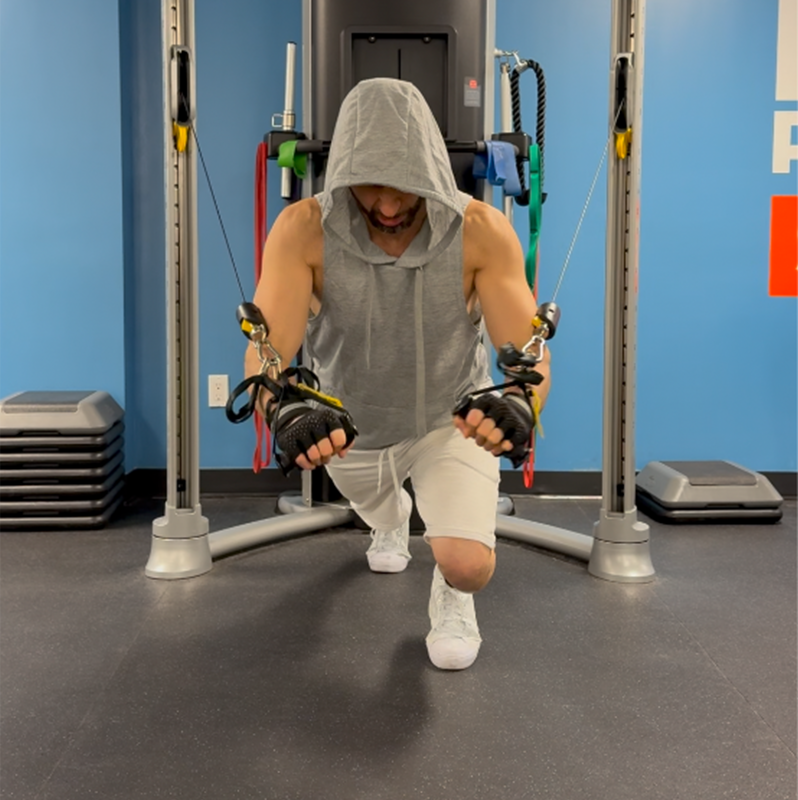
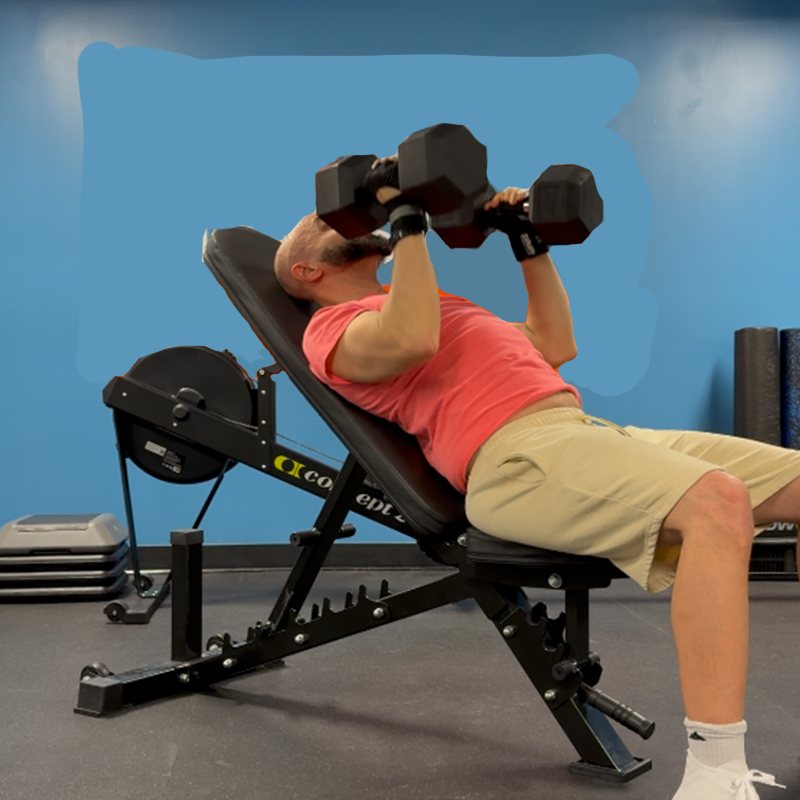
For example, if I am training curls, presses, rows, or certain machine movements, I may work up to a challenging weight and then drop the weight down once fatigue sets in. The goal is not just to move weight randomly. The goal is to maintain control, keep good form, and continue challenging the muscle.
Drop sets match my training personality because I like pushing hard.
I Still Care About Form
Even though I train intensely, I still care about form.
There is a difference between training hard and training recklessly.
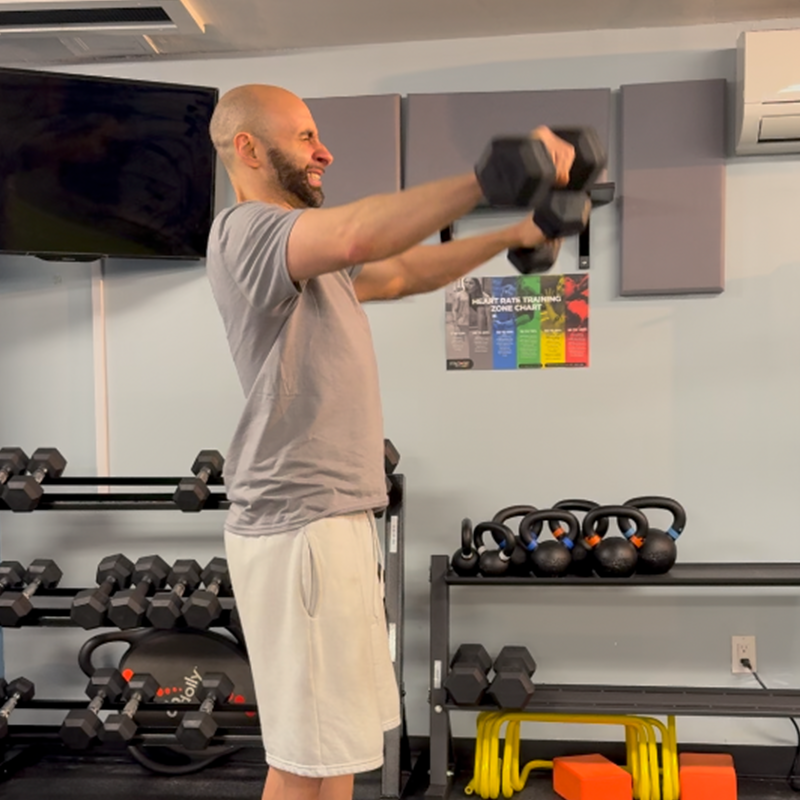
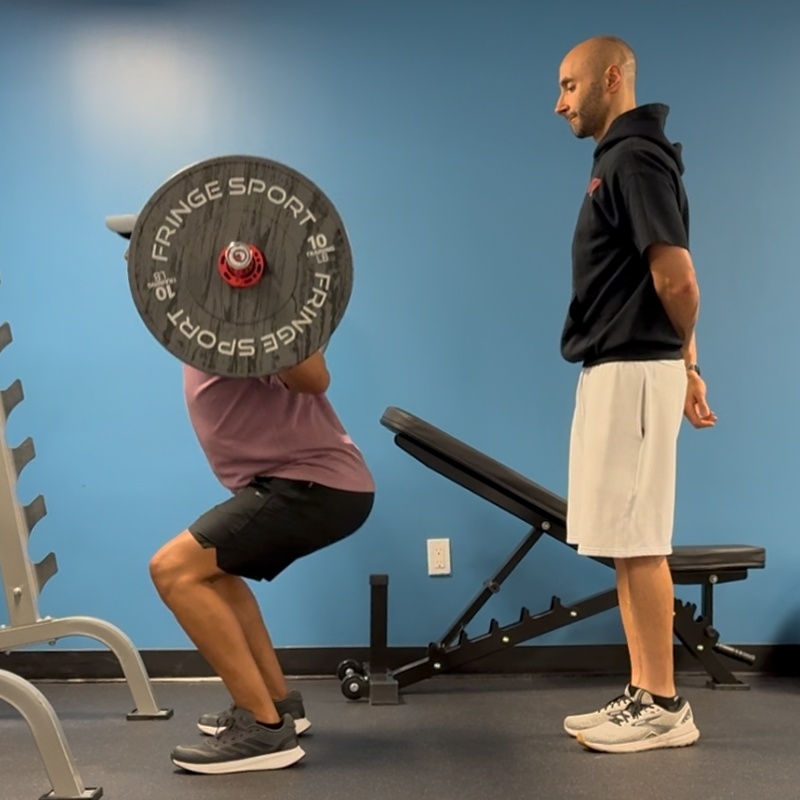
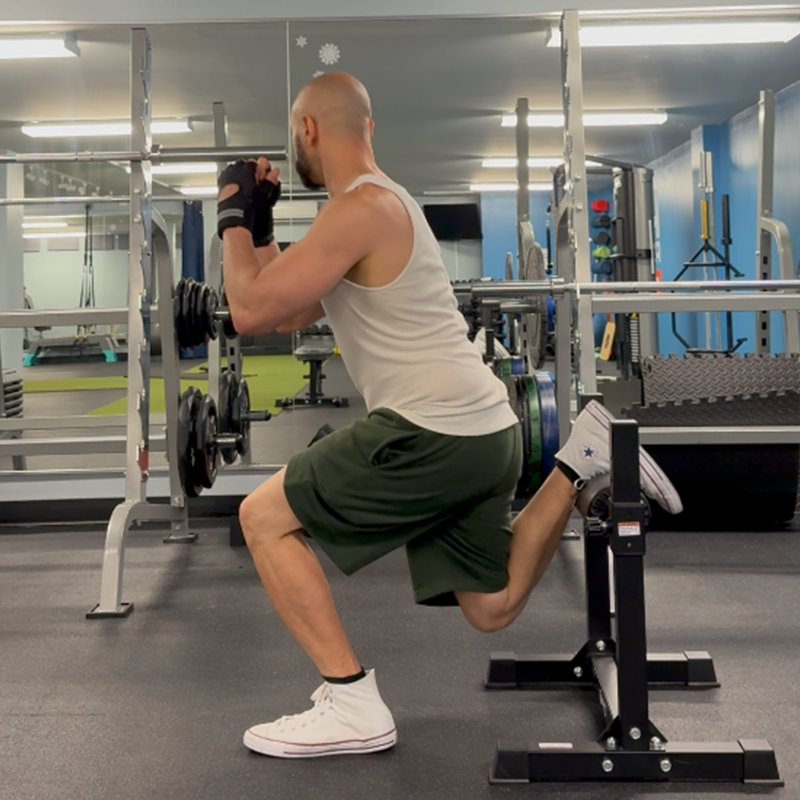
When I lift, I want to control the movement as much as possible. I pay attention to my setup, body position, range of motion, and how the weight moves. I want to get stronger, but I also want to make sure I am actually training the muscles I am trying to train.
That is especially important with heavier compound lifts.
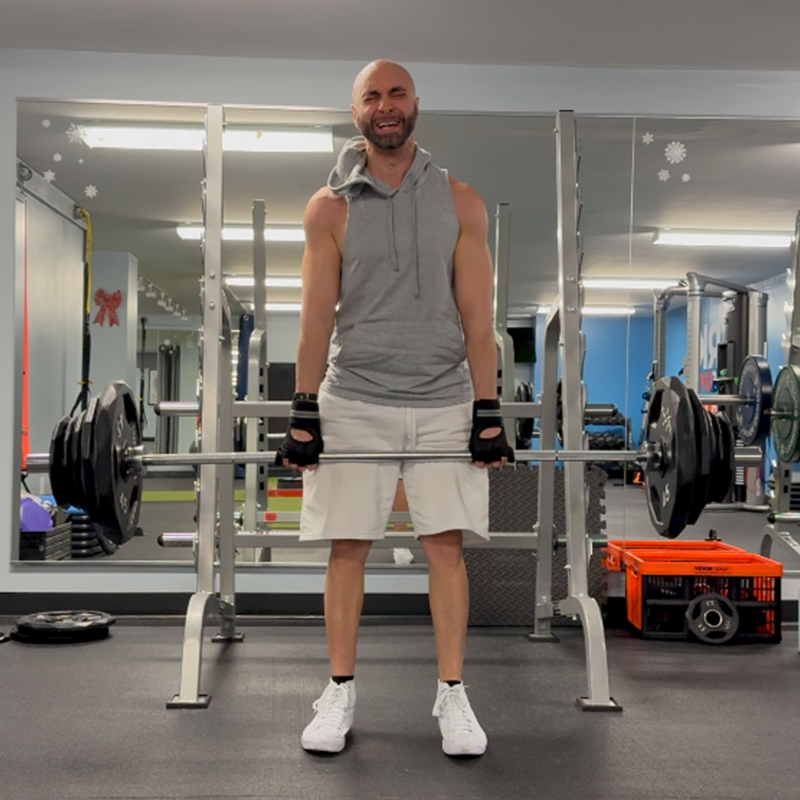
On exercises like squats, deadlifts, RDLs, rows, and presses, small technique changes can make a big difference. Bracing, foot position, hip movement, bar path, and tempo all matter.
I am always trying to improve the way I move.
That is one of the reasons I like filming myself. When I watch my lifts back, I can see things I may not feel in the moment. I can evaluate my form, make corrections, and keep improving.
My Routine Is Built Around Progression
A major part of my exercise routine is tracking progress.
I like knowing whether I am getting stronger. I like comparing where I was before to where I am now. That could mean more weight, more reps, better form, or more control with the same weight.
When I lift, I want to control the movement as much as possible. I pay attention to my setup, body position, range of motion, and how the weight moves. I want to get stronger, but I also want to make sure I am actually training the muscles I am trying to train.
Progressive overload is a major principle in my training.
That does not always mean adding weight every single workout. Sometimes progress is:
Doing more reps with the same weight
Using better form
Controlling the negative better
Getting a deeper range of motion
Feeling more stable
Recovering better between sessions
Matching previous strength at a lower body weight
Performing a lift with more confidence
This is why I believe tracking matters. If you do not track anything, it is harder to know whether your training is actually working.
I Combine Strength Training With High Daily Activity
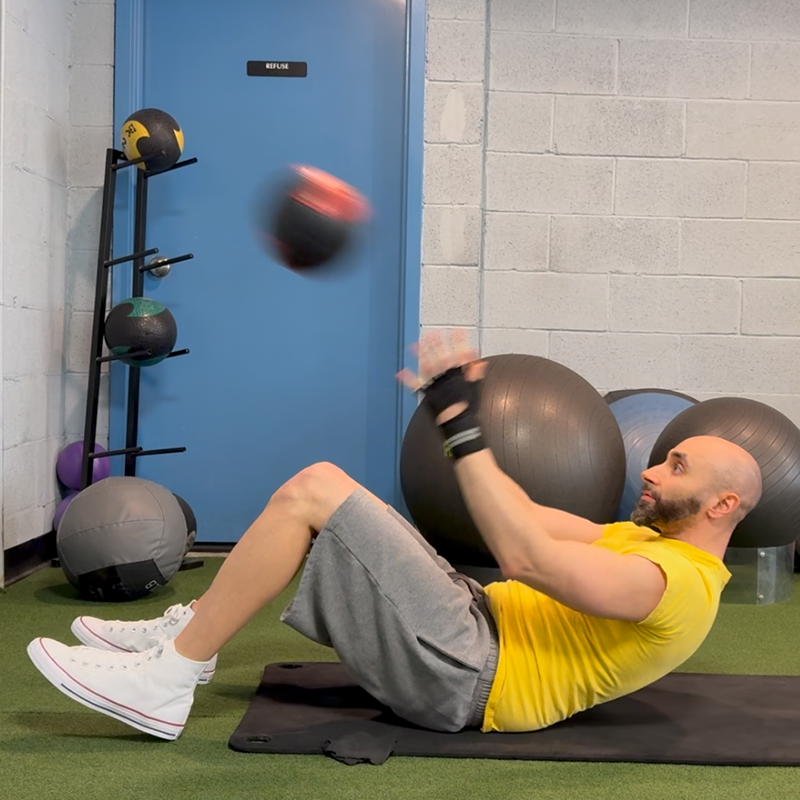
My exercise routine is not only about lifting weights.
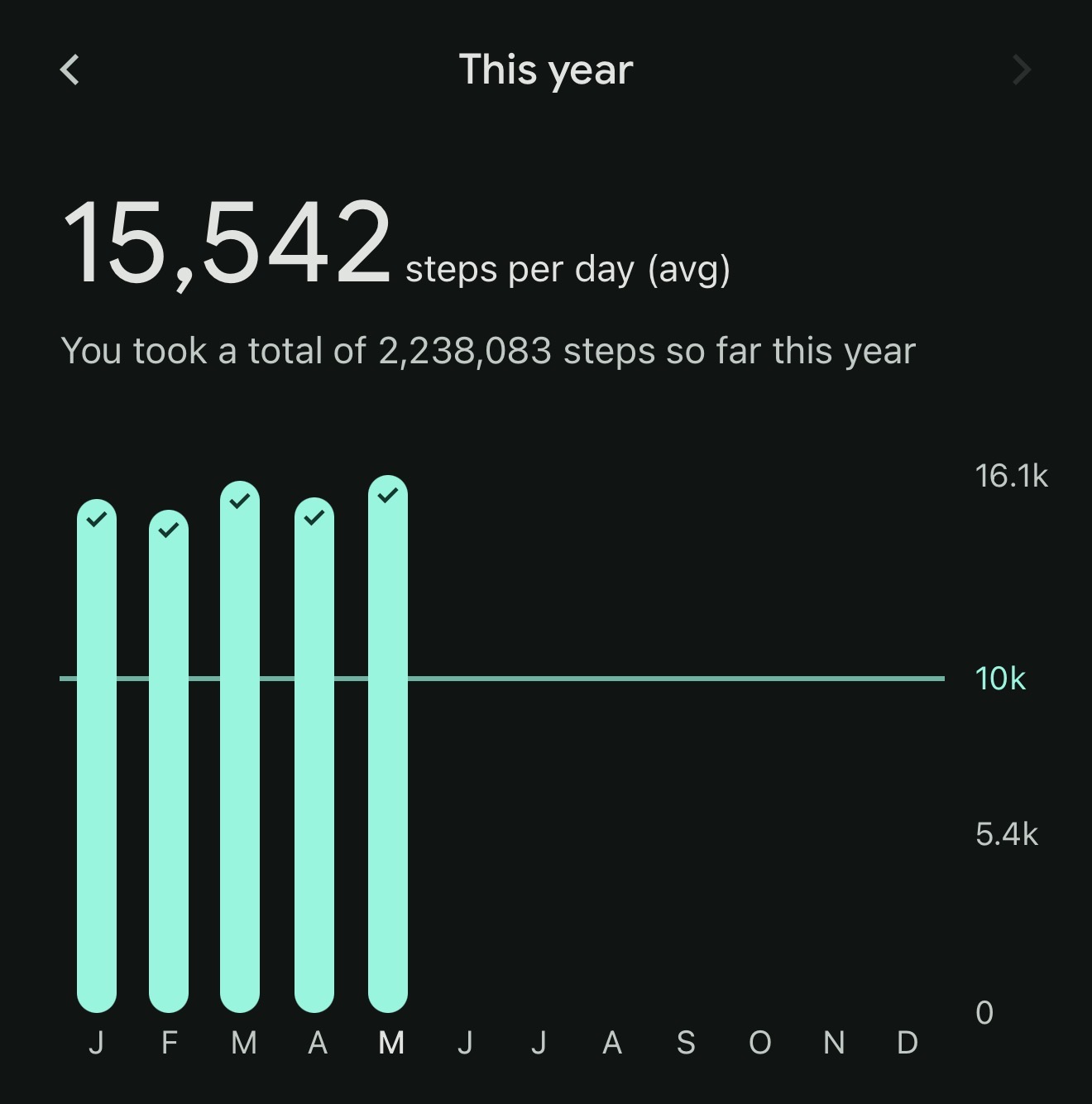
Walking is also a big part of my lifestyle.
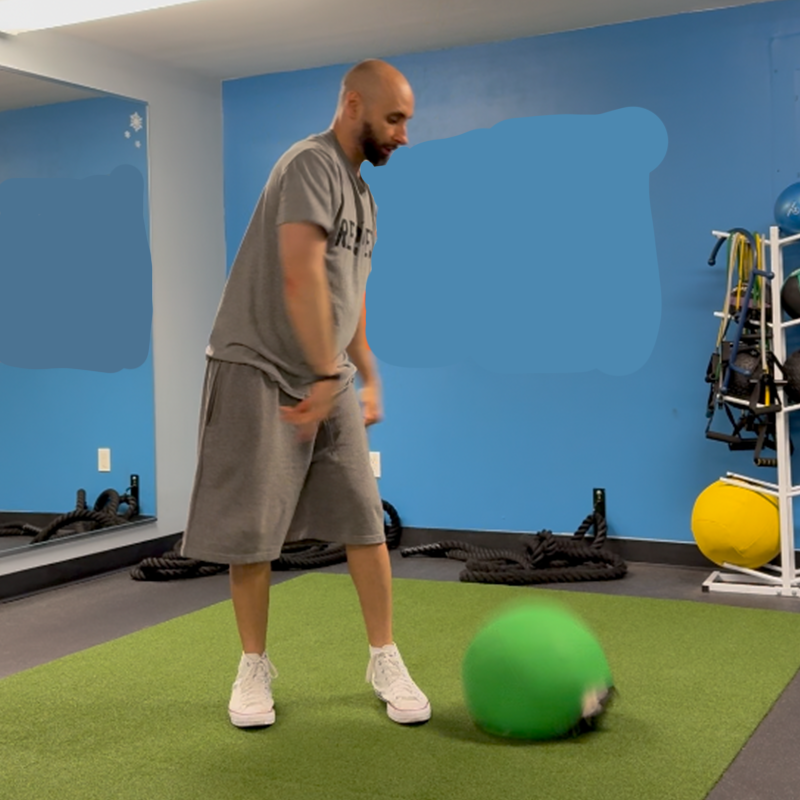
I have spent a lot of time building the habit of walking consistently. Walking helps me stay active, maintain conditioning, burn extra calories, and support my overall health without beating up my body the way constant high-impact cardio might.
For me, walking fits well with strength training because it is sustainable.
I can walk often, recover from it well, and still have energy to lift. It also helps me stay lean while allowing my weight training to focus on strength and muscle.
This combination - hard lifting plus consistent walking - has been one of the most important parts of my fitness journey.
Nutrition Supports My Training
My diet also plays a major role in my routine.
I have followed a keto and low-carb style of eating, combined with intermittent fasting, and it has worked well for me personally. It helped me lose weight, reduce body fat, improve my focus, and stay consistent with my eating habits.
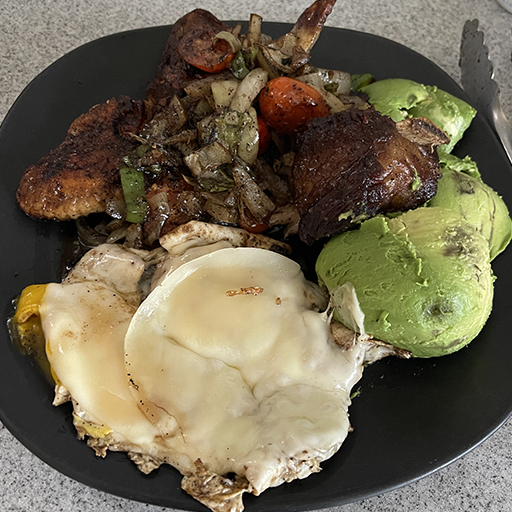
My meals usually focus on high-protein foods like meat, eggs, and other nutrient-dense options. I care about getting enough protein because my goal is not just to be lean — I want to build and maintain muscle.
Training hard requires recovery. Recovery requires food, sleep, hydration, and consistency.
My diet is not just about looking lean. It is about supporting the work I do in the gym.
I Train for Strength and Physique
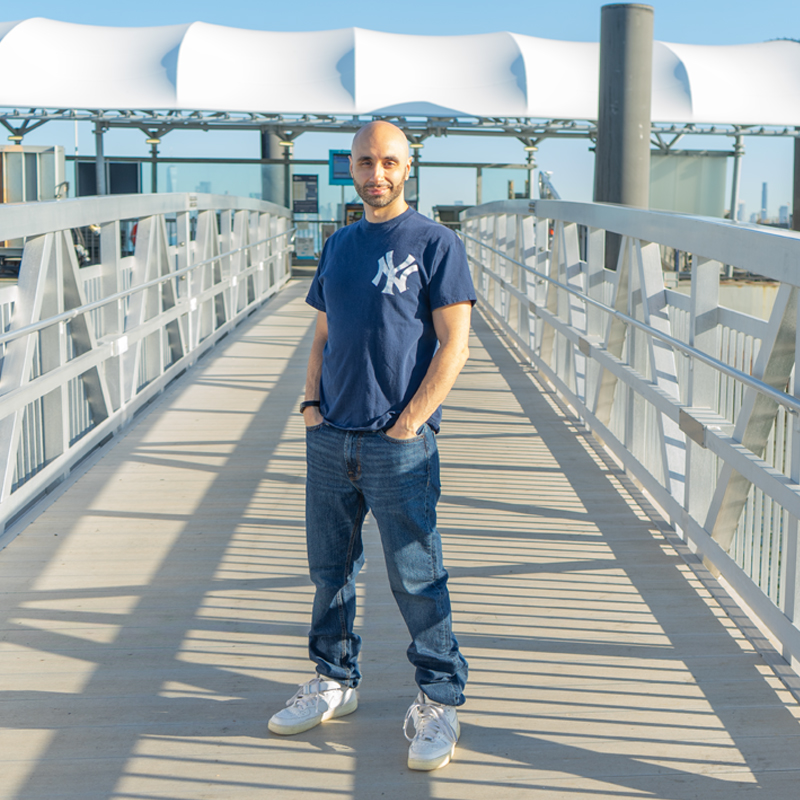
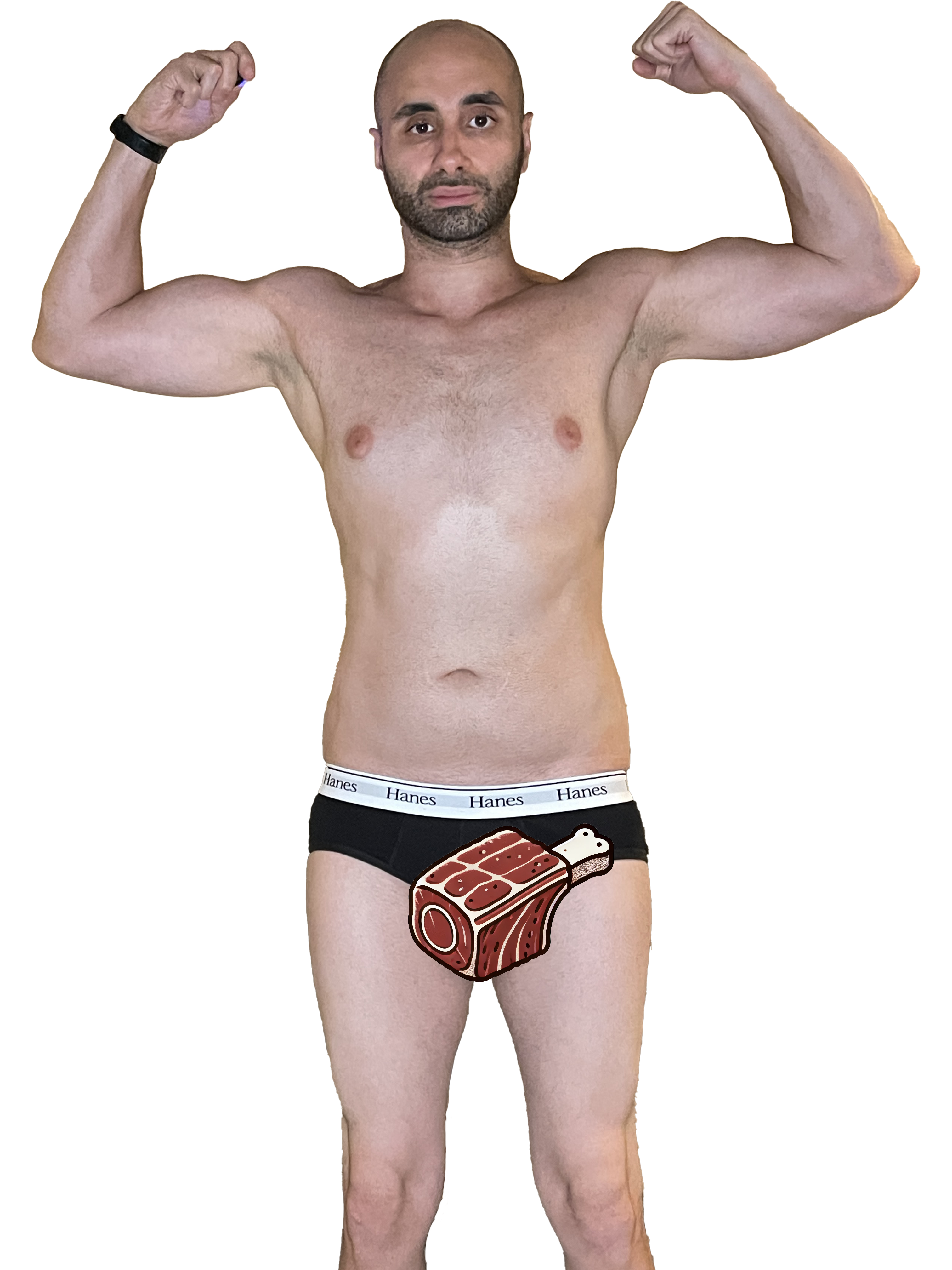
5/12/24 160lbs
8/4/24 140lbs
1/1/26 160lbs
My personal goal is a mix of strength and aesthetics.
I want to be strong, but I also want to look like I train.
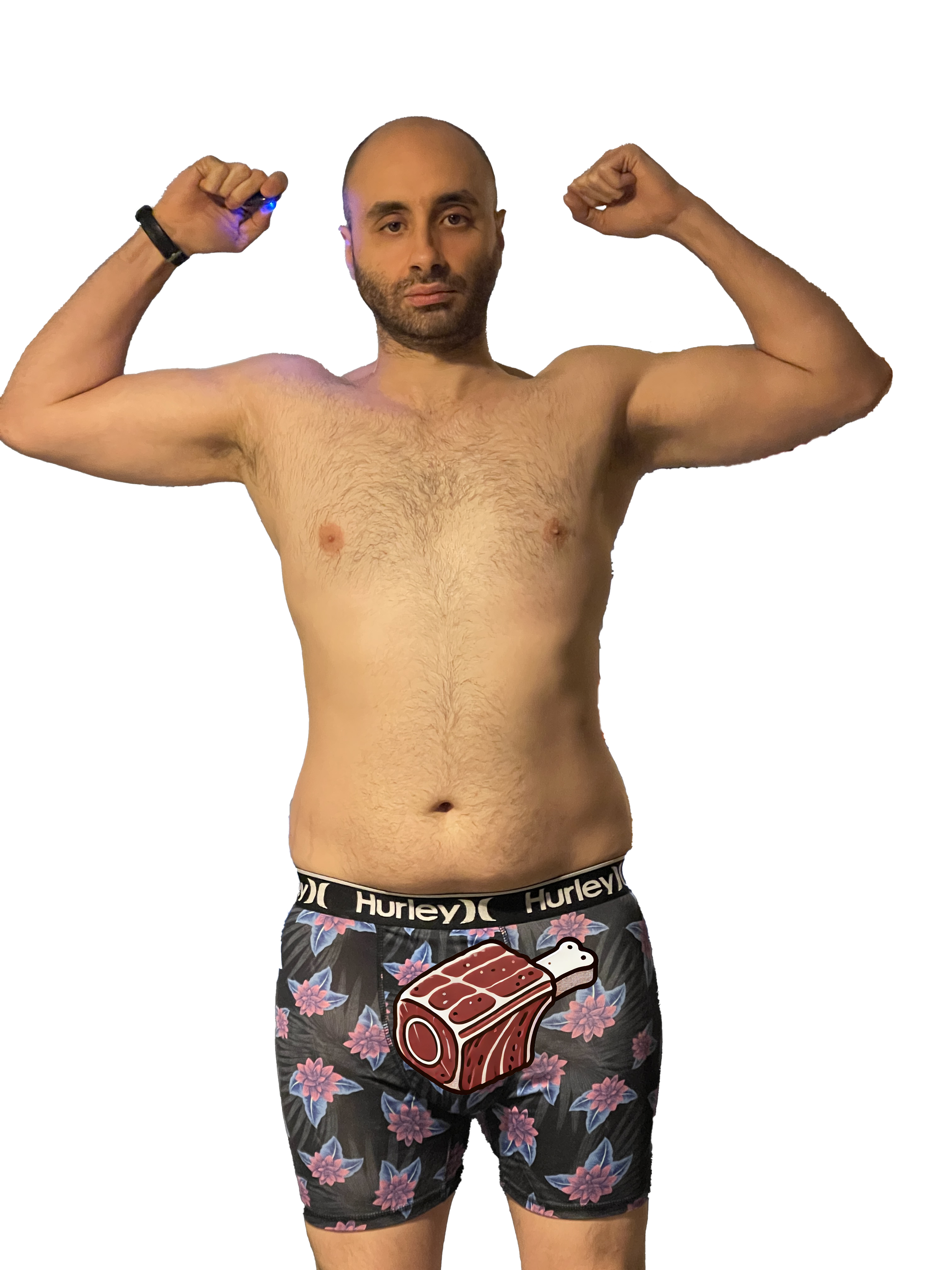
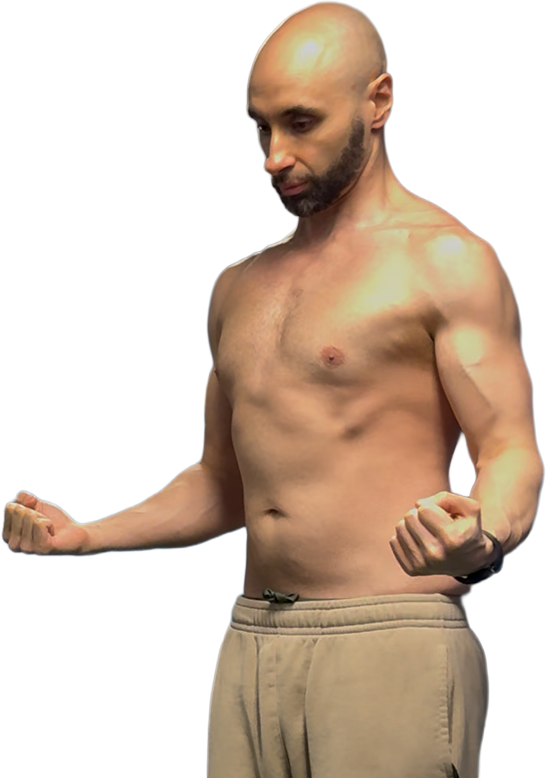
That means I care about muscle development, body composition, and how my physique looks overall. I want visible progress. I want my training to show.
But I do not believe physique should come at the cost of performance. I do not just want to look fit. I want to be capable.
That is why I value movements like squats, deadlifts, presses, rows, chin-ups, and dips. These exercises help build both strength and muscle.
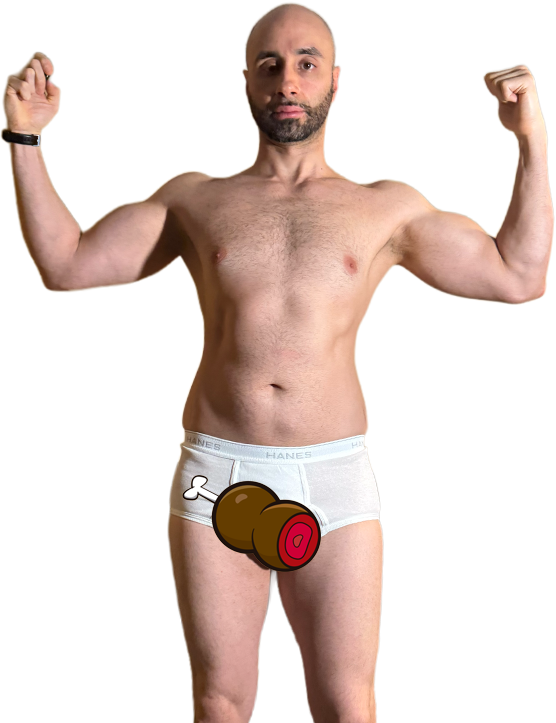
3/28/26 149lbs
5/5/26 147.5lbs
I Learn From My Own Training
One of the biggest benefits of having my own routine is that it helps me become a better trainer.
When I experiment with different exercises, rep ranges, techniques, drop sets, warm-ups, and progressions, I learn through experience. I get to understand how different movements feel, how fatigue builds, and how important proper technique is.
That experience helps me coach better.
I know what it feels like to push through a hard set.
I know what it feels like to struggle with form.
I know what it feels like to chase strength goals.
I know what it feels like to balance diet, training, & recovery.
My own fitness journey helps me relate to my clients because I am not just telling people what to do. I am living it myself.
My Routine Is Not Random
The biggest thing I want people to understand is that my routine is not random.
I do not just walk into the gym and do whatever looks fun that day. I may adjust based on how I feel, but the foundation stays consistent.
I focus on big lifts.
I train hard.
I use drop sets.
I track progress.
I walk consistently.
I eat in a way that supports my goals.
I try to improve my body and my knowledge at the same time.
That is what makes the routine effective for me.
Final Thoughts
My personal exercise routine is built around discipline, intensity, and progression.
For me, training is not just something I do for appearance. It is part of who I am.
It teaches discipline.
It builds confidence.
It challenges me mentally and physically.
It gives me a way to measure progress.
It helps me become a better coach.
My routine is not about doing the easiest thing. It is about doing the work, tracking the results, and constantly trying to improve.
That is how I train.
And that is why fitness has become such a big part of my life.
Media Disclaimer
Some photos/videos were taken at Park Fitness Gym Studio during Jamal Habib’s prior work there. Jamal Habib is independent and not affiliated with or endorsed by Park Fitness Gym Studio. See full disclaimer.