
How I Put My Psoriasis Into Remission Naturally 2025
Disclaimer: I am sharing my personal experience with psoriasis and the lifestyle changes that helped me manage my condition. This post is for informational purposes only and should not be taken as medical advice. Psoriasis is a complex autoimmune condition, and what worked for me may not work for everyone. Always consult with a qualified healthcare professional before making any changes to your diet, exercise routine, or treatment plan.
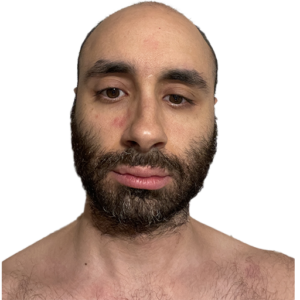
May 27, 2023
Psoriasis on right cheek, forehead, and covered by beard
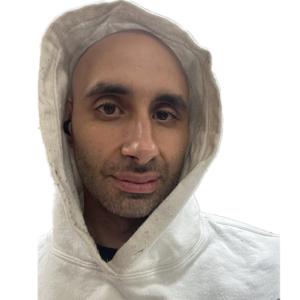
October 11, 2024
Psoriasis in remission
For years, I didn’t even realize I was living with psoriasis. Looking back, the signs were there all along — the peeling skin on the back of my elbows, the redness around my face, and the constant dandruff that seemed to flare up whenever my scalp grew a little bit of hair. It always got worse in the winter, sometimes to the point of pain, but I brushed it off as nothing serious since it improved during the warmer months.
Everything changed in April 2023. I was on the bus when I noticed a patch by my cheekbone, hidden under my beard, that kept peeling the more I scratched it. By the time I got home and looked in the mirror, I saw a red, irritated patch of skin. That moment scared me enough to finally visit my doctor and a dermatologist for which the dermatologist diagnosed me with psoriasis, the first time I had ever heard the disease.
What Is Psoriasis?
Psoriasis is a chronic autoimmune disease that causes the body to produce new skin cells too quickly. Normally, skin cells grow and shed in a cycle of about 28–30 days. With psoriasis, this process happens in just 3–7 days, which means the skin cells build up on the surface instead of shedding naturally. The result is patches of red, inflamed skin covered with silvery-white scales.
While psoriasis primarily affects the skin, it’s not just a surface-level condition — it’s an immune system disorder. The immune system mistakenly triggers inflammation, which drives the rapid skin cell turnover. This is why many people with psoriasis also experience flare-ups tied to factors like stress, cold weather, or even infections.
There are different types of psoriasis, but the most common form is plaque psoriasis, which typically shows up on the elbows, knees, scalp, and lower back. Symptoms can range from mild (small patches that come and go) to severe (widespread painful plaques). Psoriasis can also be linked to other health issues, including psoriatic arthritis, metabolic syndrome, and cardiovascular risk factors.
Getting Diagnosed with Psoriasis
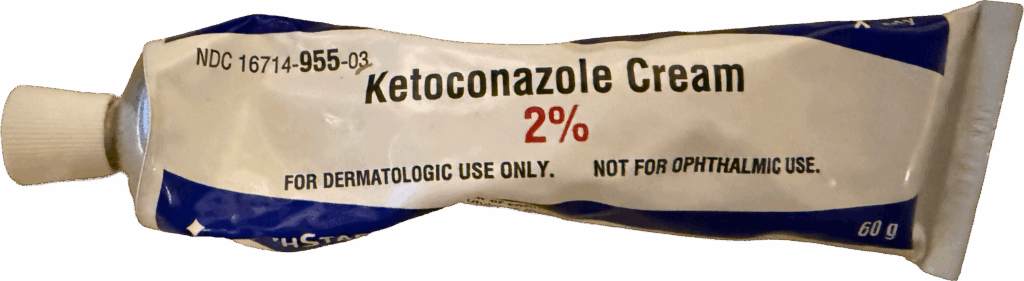
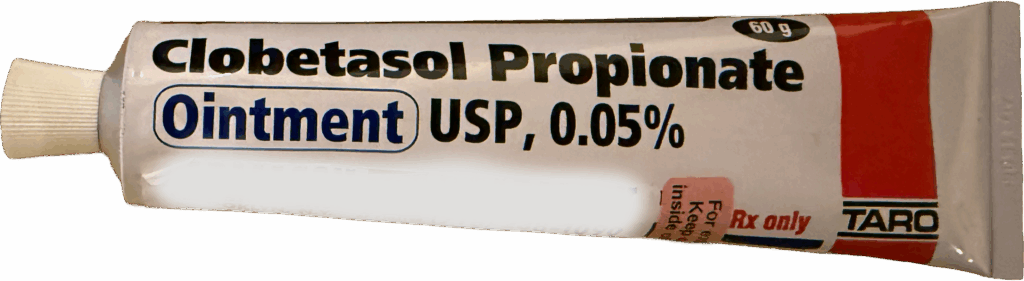
The dermatologist diagnosed me with psoriasis, an autoimmune disease that she said I would have to deal with for the rest of my life. She prescribed steroid creams, and while they helped temporarily, the problem always returned. Over time, my condition worsened, and eventually, she suggested a new medication that had recently hit the market. But the side effects included breakouts on every hair follicle — not something I was willing to risk.
Instead, I decided to take a different route. I had been learning about the power of nutrition and lifestyle changes, so I committed to a ketogenic diet and daily walking with the goal of lowering body fat and reducing inflammation naturally. My dermatologist dismissed the idea, saying there was no proof it would work.
But within two months, I started noticing major changes. My dandruff cleared up completely. The redness on my face dramatically reduced. The peeling on my elbows and knees improved significantly. By staying consistent — and without taking the medication — I saw results that surprised even me.
When I returned to the dermatologist, she told me there had been “no real progress” and again pushed the medication. I asked her if psoriasis was life-threatening. She said no. So I asked why I should take a drug that only masked symptoms while creating new side effects. She didn’t have an answer.
My Remission With Psoriasis
